
The Positions Most Suited For List Shows Where a Candidate Already Fits
A candidate can be perfectly capable and still be sitting in the wrong chair. The positions most suited for list names the seats where somebody's behavior already points the right way. It does that before anybody asks whether the person can actually do the work.

What Is the Positions Most Suited For List?
It gives a rough and limited idea of the positions a candidate will most likely enjoy doing. It also covers those they have the right personality to do. A candidate does well in those positions when the competency, attitude and integrity come with them.
What the list is not
The descriptions are not based on competence. A title appearing here does not mean the person will always be good at it. What you get is the behavior half of the match. That is the half an interview struggles to show you.
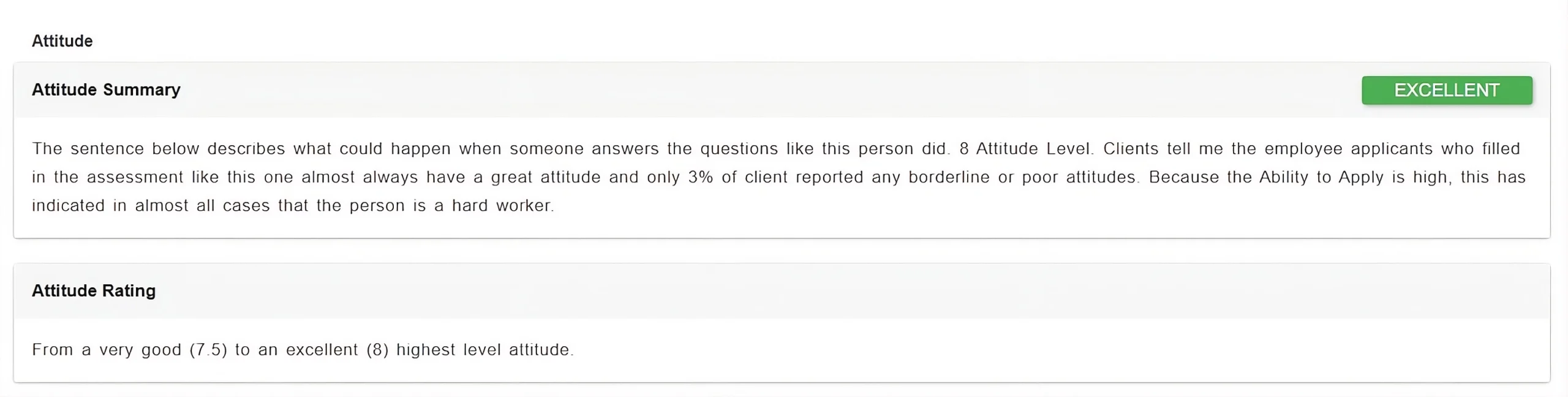
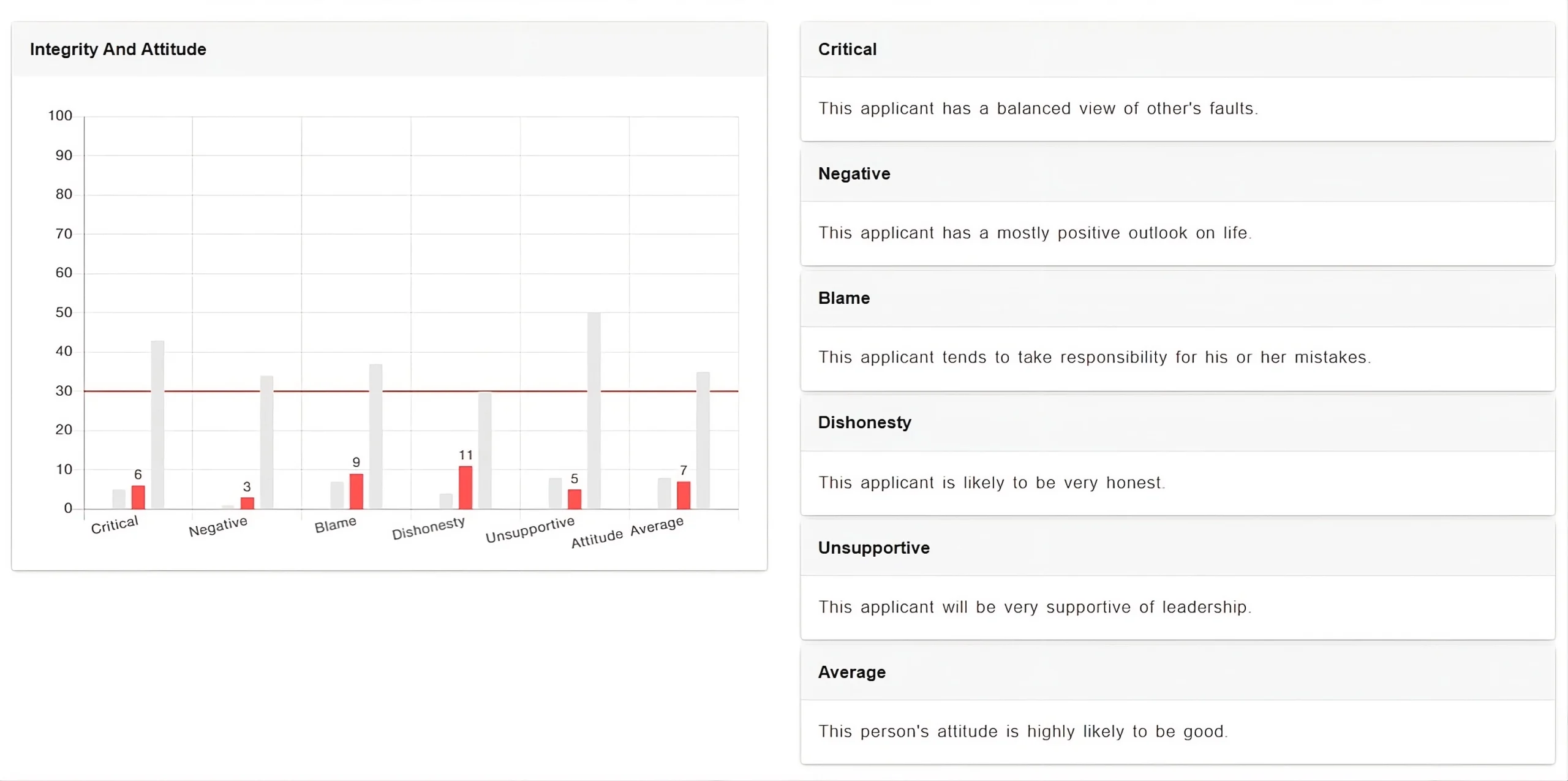
What the positions most suited for list helps you evaluate before you hire

The list covers positions somebody has the right behavior for, not the right qualifications. Resumes, interviews, reference checks and skill tests are what close that second gap.
Why the Positions Most Suited For List Matters in Hiring
Behavior fit is the part of a hire nobody can see across a table. This list puts it in writing before the offer, while the information can still change what you decide.

Invisible, and Still Decisive
Suitable behavioral traits stay completely invisible to the naked eye. However, they are as real as a wall when it comes to whether somebody actually succeeds.

The Wrong Seat Costs Ability
Hire outside somebody's behavioral traits and the competency drops with the fit. A seven out of ten reads as a five in that particular seat instead.

Broader Than Any Single Trait
A behavioral type rests on many traits and around 150 questions. One trait rests on about ten, which is why the type predicts position fit better.

How a poor behavioral fit shows up on the job
None of these read as a fit problem at the time. They read as the wrong person, which is usually not what happened.
Learn more about our Assessments
"*" indicates required fields
How the Positions Most Suited For List Gets Built
The titles come mainly from the quadrants, with a few other key personality traits filling in the detail. Each quadrant predicts the kind of work somebody is most suited to and most enjoys doing. It also predicts the behavior they are likely to bring.

01 Controller / Assertive
Built from Assertiveness, Competitive, Self-Esteem and Confront People. A strong reading points toward positions where somebody has to decide, direct or persuade rather than simply support others.

02 Expressive / Social
Built from Talking, Warm and Sociable, Calling Comfort and Impulsive. A strong reading points toward work that runs on conversation with people the person does not yet know.

03 Supporter / Empathy
Built from Empathy, Patience, Appreciation and Listening. A strong reading points toward seats where patience and steady service matter. Pace and persuasion tend to count for far less.

04 Analyzer / Logical
Built from Organization, Attention to Detail, Confront Paperwork and Reliable. A strong reading points toward work where getting the detail right clearly outranks getting to the answer quickly.

Overall Recommendation
Where the fit adjustment lands. A poor match here is one of the things quietly pulling that whole bar down.
Percent Chance of a Good Hire
The percentage this list moves. Quadrant fit against the position is one of the four factors weighted into that number.
Assessment Manual
The full manual behind every reading on the report, including the quadrants and the traits that feed this list.

Best practice: Read the dominant quadrant before you read the job titles. The titles are shorthand for the pattern underneath. Knowing which drive produced them tells you how far each suggestion really stretches.
How to Interpret the Positions Most Suited For List
This list can tell you three things about the seat you are filling. Each one points somewhere different, and only one of the three is a genuine warning.
Title Matches · Direct Hit
The applied position appears on the list, and the prediction percentage rises because of it.
Poor Fit · Warning
The behavior points somewhere else entirely, and the prediction percentage falls as a direct result.
Not Listed · Neutral
Often means little on its own, particularly when the position you are filling is unusual.
Why a missing title usually means nothing
Unusual positions simply do not appear often. When yours is missing, find the closest listed title. Then work from what that one tells you. Consequently, an absent job title is a gap in the list rather than a verdict on the candidate.
What a mismatch actually costs
Hiring outside somebody's behavioral traits does not just change how the work feels, it changes what the competency rating is worth. Somebody rated seven out of ten should be read as a five when the seat sits outside their traits, and a persuasive sales position can cost as much as thirty percent.
What to Do Based on the Result
Move forward on behavior, then confirm competency, attitude and integrity separately before you treat this particular fit as fully settled.
Ask whether a nearby seat suits this person better, since the same candidate may read very differently somewhere else entirely.
Look for a similar position on the list and use that one, rather than reading the absence as a rejection.

Assessment results support your hiring decisions, they do not replace them. Always read the positions most suited for list alongside the full profile and your role benchmarks before drawing a conclusion.
Want to see a sample report?
Get a real example of what the IC or SL Behavioral report looks like — scores, trait breakdowns,
and interpretation guidance included.
Where the Positions Most Suited For List Carries the Most Weight
Every seat runs through the same comparison. Two situations make the list worth more attention than usual, and both change what a mismatch actually costs you.
Where a mismatch costs the most
| Situation | Why it matters |
|---|---|
| Persuasive Sales Seats | A competency rating can fall by thirty percent when somebody has to sell persuasively outside their own natural behavioral traits. |
| Unusual or Hybrid Roles | These rarely appear by name, so the closest listed title is what you have to reason from in the end. |
If any of these situations sound familiar, this assessment is for you
Frequently Asked Questions
It is a rough and limited idea of the positions a candidate will most likely enjoy. It also covers the ones they have the right personality to do. The titles hold up when competency, attitude and integrity hold up alongside them.
Let Our Team Help You Find the Right Assessment
Tell us about the position, hiring volume, and what you need to evaluate — and we'll recommend the exact assessment that fits your process.
Learn more about our Assessments
"*" indicates required fields